Buying second-hand lifting equipment? What LOLER says before you use it.

Second-hand lifting equipment can’t be used at work unless it comes with physical evidence of its last LOLER thorough examination (Regulation 9(4)). If the report is in date and really is for that machine, you can use it until the next due date. If there’s no report, it’s out of date, or the equipment has been moved and reinstalled, it needs a thorough examination before anyone uses it.
Used kit can be a great buy. A second-hand forklift, telehandler or chain block can save thousands. But the paperwork matters as much as the price, because without it, you’ve bought something you can’t legally use yet.

What to ask for before you buy
Ask for | Why it matters | Red flag |
The last LOLER thorough examination report | You can’t use it at work without evidence of its last examination (Regulation 9(4)) | No report, or “it’s been serviced” instead |
The date the next examination is due | If it’s due soon, you’ll need to budget for one straight away | The due date has already passed |
A serial number on the report that matches the machine | Proves the report is for this machine, not another one | Numbers don’t match, or the data plate is missing |
Any defects listed on the report, and proof they were fixed | Defects travel with the machine when it’s sold | Defects listed with no evidence of repair |
A readable rated capacity or safe working load | LOLER Regulation 7 says lifting equipment must be marked with it | Plate missing, painted over, or attachments that aren’t on it |
Details of any repairs or modifications | Welding or changes to forks, mast, boom or hooks can affect what it can safely lift | Welding repairs on load-bearing parts, with no paperwork |
Service history and hours | It needs maintaining under PUWER, and the history shows how it’s been treated | No history at all, or hours that don’t add up |
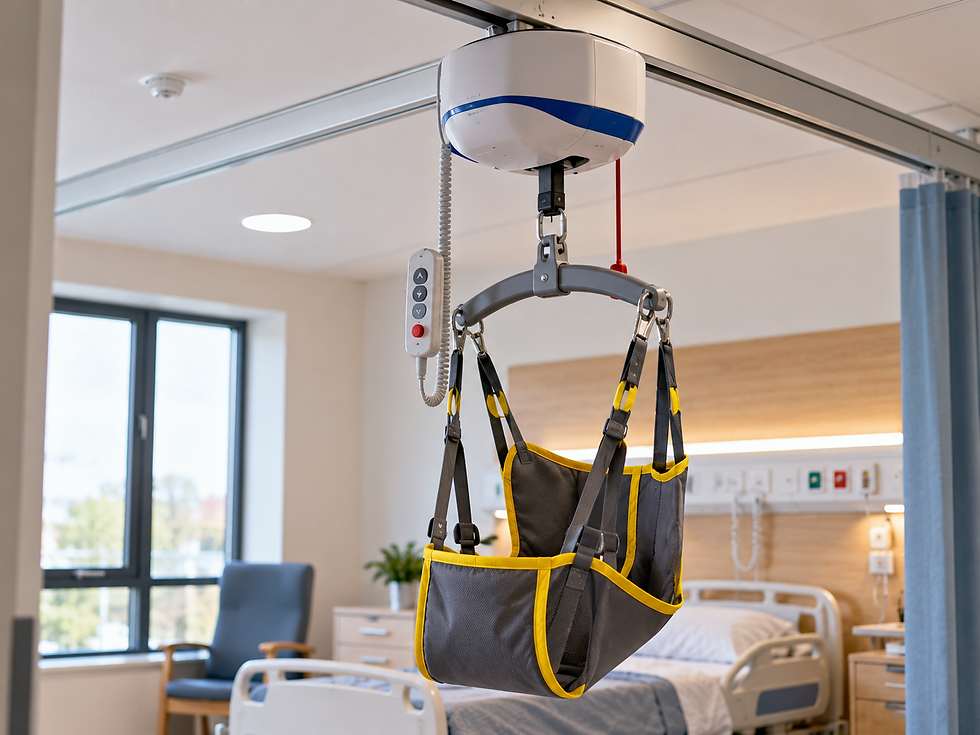
Whether it has to be dismantled and reinstalled | Anything installed on site needs examining again before use at its new location (Regulation 9(2)) | Overhead hoists, gantries, vehicle lifts or ceiling hoists being moved |
If a seller can’t give you most of that, factor an examination into the price. If they can’t give you any of it, ask yourself why.
When you need an examination before first use
Even with paperwork, a second-hand machine needs a thorough examination before you use it if:
There’s no evidence of its last examination, or you can’t tell who carried it out.
The examination is out of date, or will be by the time it’s in service.
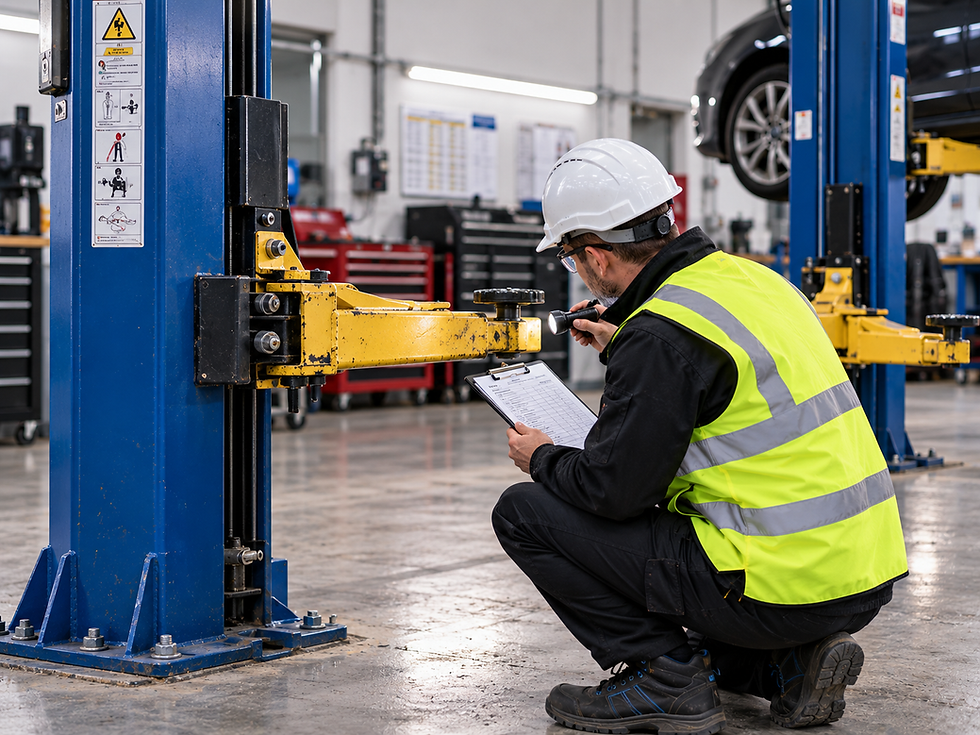
It’s been dismantled and reinstalled. Overhead runways, gantries, vehicle lifts, ceiling hoists and anything else whose safety depends on how it’s fitted needs examining after assembly at its new site, before it’s used (Regulation 9(2)).
It’s been damaged, including in transit, or dropped while being loaded.
It’s been stood unused for a long time. HSE treats long periods out of use as an exceptional circumstance that calls for an examination.
It’s been repaired or modified since its last examination, in a way that could affect its safety.
Forklifts, telehandlers and MEWPs
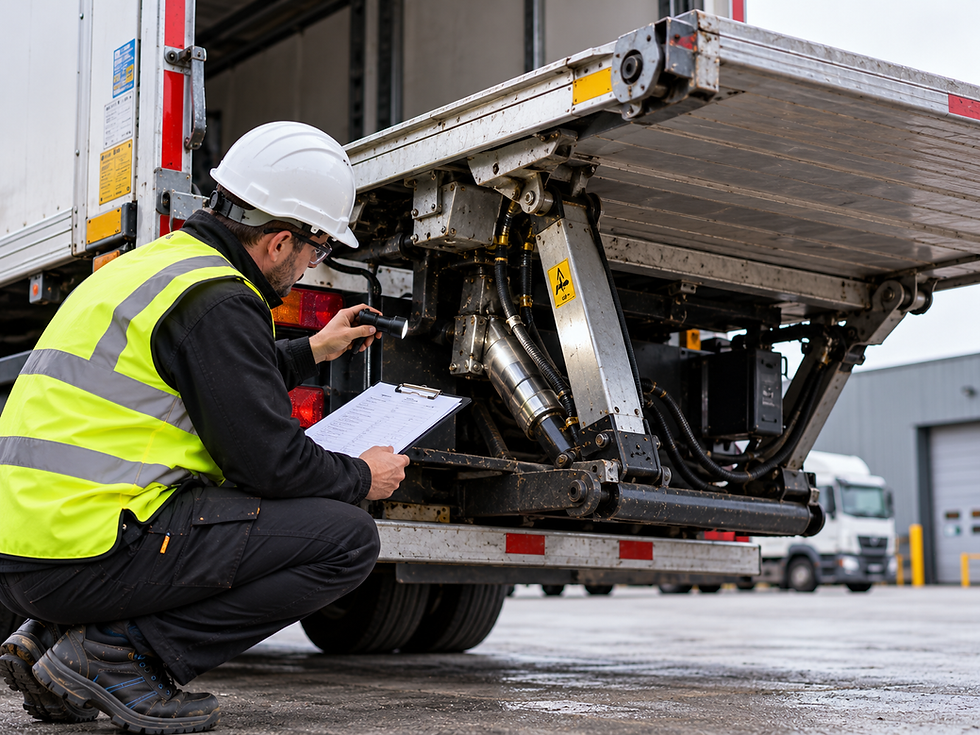
These are the most common second-hand buys, and they need examining on both sides. The lifting parts, like the mast, forks, chains or boom, are LOLER. The machine itself, like brakes, steering, tyres and the operator’s cab, falls under PUWER. A LOLER report that only covers the mast won’t tell you whether the brakes work.
Check the attachments too. A forklift’s rated capacity drops with some attachments, and the data plate should show the capacity with each one fitted. Our posts on forklifts, telehandlers and MEWPs go into each one.
Slings, chains and shackles
This is where I’d be most careful. A used sling with no history could have been overloaded, shock-loaded, exposed to chemicals or left out in the sun for years, and you often can’t see that damage.
Lifting accessories need a thorough examination at least every 6 months. If second-hand slings, chains or shackles don’t come with an in-date report and a readable identification tag, it’s usually cheaper and safer to buy new than to pay to have unknown gear examined. More on accessories on our lifting tackle inspections page.
Buying at auction or online
Auction lots are usually sold as seen, and online marketplace listings can be thin on detail. A few habits help:
Ask for the report before you bid, not after you’ve won
Check the serial number in the photos against the report
Assume you’ll need an examination before first use, and put the cost into your bid
Think about how it gets to you. Loading and transport is where a lot of damage happens
Even with an in-date report
You can legally use it until the next due date. But many buyers have it examined soon after it arrives anyway. It puts the machine on their own schedule, with their own examiner, alongside the rest of their kit, and it means they know exactly what they’ve bought. It’s not a legal requirement, but it’s often worth it.
Getting your used equipment examined
We examine second-hand forklifts, telehandlers, MEWPs, hoists, cranes and lifting tackle across Nottingham, Derby, Leicester, Loughborough and Lincoln, and out to Newark, Mansfield and Grantham. We also travel anywhere in the UK.
Every examination is carried out and signed by me, Ryan Leavesley MSOE MBES, an engineer surveyor with over 14 years’ experience. We don’t sell, hire or repair equipment, so we’ve got no interest in what you bought or who from. You get a written report covering everything LOLER requires, and once it’s on our schedule, we’ll contact you before each examination falls due.
Just bought something, or about to? Send us the make, model and serial number and we’ll come back with a fixed quote.
FAQs
Does second-hand lifting equipment need a LOLER inspection?
Only if it doesn’t come with evidence of an in-date thorough examination. LOLER Regulation 9(4) says equipment from another business can’t be used unless it’s accompanied by physical evidence of its last examination. If there’s no evidence, or it’s out of date, it needs examining before use.
Can I use a second-hand forklift with an old LOLER certificate?
Only if the examination is still in date and the report is definitely for that truck, with a matching serial number. Once the next due date has passed, it needs a new thorough examination before it’s used. Check the brakes, steering and tyres are covered too, under PUWER.
Does used equipment need examining after it’s moved to my site?
If its safety depends on how it’s installed, yes. LOLER Regulation 9(2) requires examination after assembly at a new site, before it’s put into service. That covers overhead hoists, gantries, vehicle lifts and ceiling hoists. Mobile equipment like forklifts doesn’t need re-examining just because it’s moved.
Should I buy second-hand slings and chains?
Only with an in-date thorough examination report and a readable identification tag for each item. Without history, you can’t tell whether a sling has been overloaded or damaged. It’s often cheaper and safer to buy new than to pay for unknown gear to be examined.
Who is responsible for the LOLER inspection on equipment I’ve bought?
You are, from the moment it’s yours and used at work. The seller should hand over evidence of the last thorough examination, but after that, booking the next one, acting on defects and keeping the reports is your job.
What should I check on a used forklift’s LOLER report?
That the serial number matches the truck, the examination is in date, any defects listed have been fixed, and the safe working load is stated. Ask who carried out the examination too, and check the report covers the attachments that come with the truck.
Do I need a new LOLER inspection if the report is still in date?
Legally, no. You can use it until the next due date, as long as it hasn’t been damaged, modified or reinstalled since. Many buyers still have it examined soon after it arrives, so it’s on their own schedule and they know exactly what they’ve bought.
Comments